A hydronic heating service Melbourne appointment can involve much more than checking whether a home feels warm. Hydronic systems rely on boilers, pumps, pipes, radiators or panels, controls and other connected components working together. A professional service is designed to assess these elements, identify potential issues and help maintain consistent heating performance throughout the property.
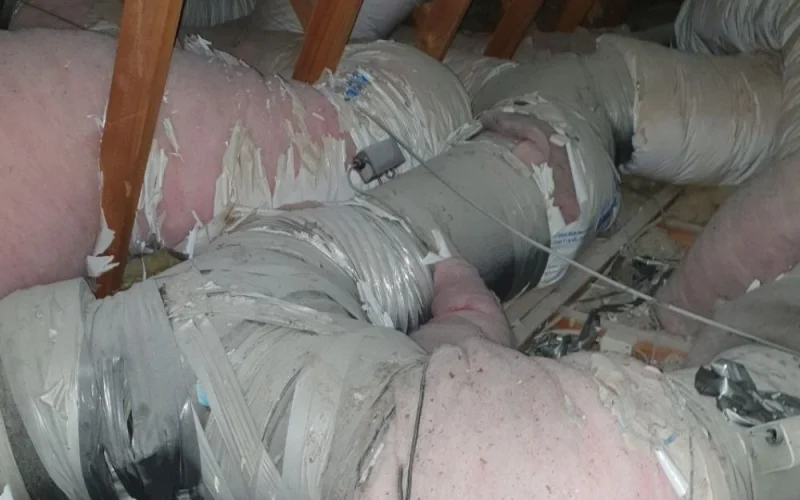
It is also useful to understand how this differs from ducted heating repair, as the two systems use different methods to distribute warmth. Hydronic heating circulates heated water through pipes or radiators, while ducted systems distribute warm air through a network of ducts. This means each system requires its own inspection process, servicing requirements and approach to troubleshooting.
The exact work depends on the heating system, its age and any symptoms being experienced. A service may include checks of:
These checks can help identify problems that may not yet have caused a complete system failure. Small performance changes, unusual noises or inconsistent temperatures can sometimes indicate that a component needs attention.
Water circulation is central to hydronic heating. If water is not moving correctly through the system, some rooms may become warmer than others, or the system may take longer to reach the desired temperature.
A professional assessment can consider whether circulation is operating as expected and whether components such as pumps and controls are functioning correctly. This is particularly relevant for older installations where performance may gradually change over time.

One of the advantages of hydronic heating is the ability to maintain steady indoor temperatures. However, the quality of that experience depends on how effectively the system responds to its controls.
Thermostats, zoning arrangements and individual heating panels can all influence comfort. During servicing, these elements may be assessed to determine whether the system is responding appropriately to temperature settings and household requirements.
There does not always need to be a major breakdown before professional attention is considered. Warning signs can include:
Regular professional attention can also provide an opportunity to identify developing problems before they become more disruptive.
Hydronic heating is a connected system, so one underperforming component can affect the overall result. Professional servicing provides an opportunity to assess the system as a whole rather than focusing only on the most obvious symptom.
For Melbourne households looking to maintain reliable indoor comfort, understanding what servicing involves can make it easier to recognise when professional assessment may be appropriate. A thorough inspection can help clarify the condition of the system and identify any areas requiring further attention.
If your heating system is showing changes in performance, arranging a professional assessment can help determine what may be affecting its operation and what service may be required.












Get free quotes from verified businesses near you.
Chat with Support
Comments